
Among the traditions preserved in Kirkcudbright is the account of King William of Orange’s fleet lying for a time in the Manxman’s Lake, a sheltered 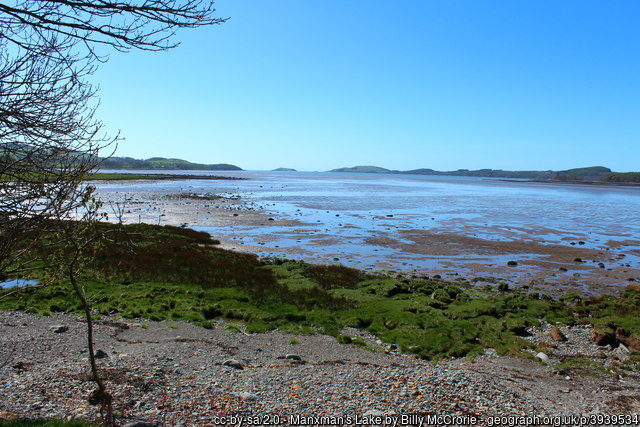 bay of the Dee near the town. The year was 1689, and William was on his way to Ireland to secure Londonderry and establish his authority against the forces of his uncle and father‑in‑law, James II. The presence of the fleet caused great excitement. Crowds from the burgh and countryside flocked daily to the shore to see and salute what they called the Deliverers of Britain.
One story tells how the Admiral, or another officer in command, noticed a small white house on the far side of the river and asked who lived there. He was told it belonged to Mr Brown, a Roman Catholic gentleman of fortune,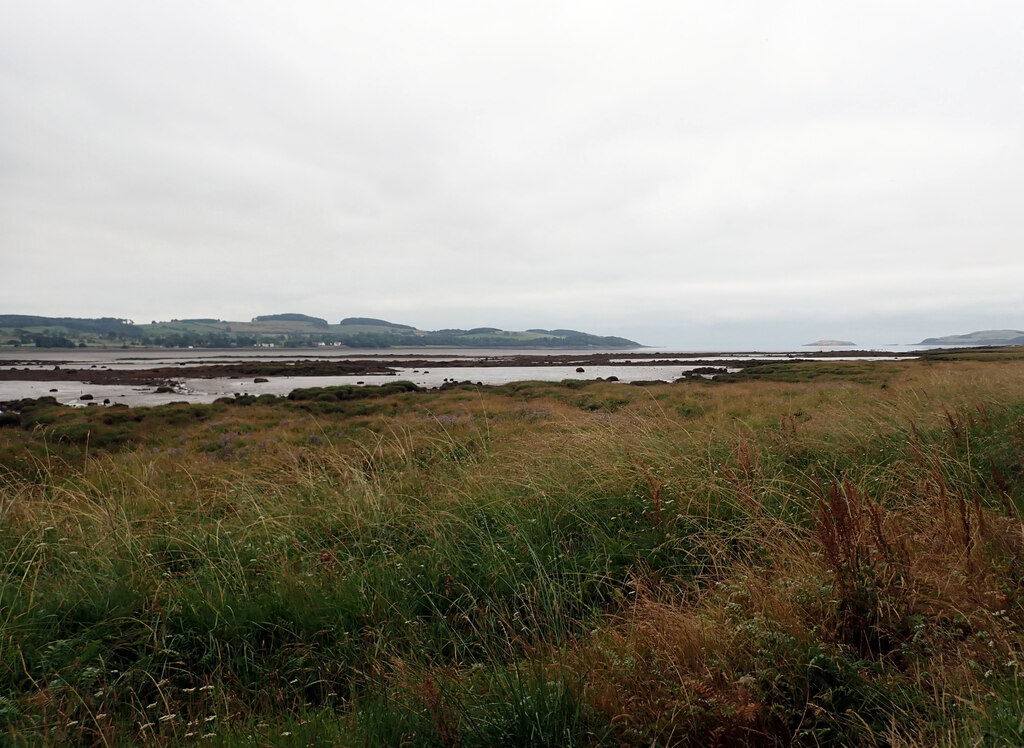 who held the salmon fishing and annually salted large quantities for export. A party of sailors was sent across to seize the stores. They broke down the door, carried off the fish, and after broiling a portion for themselves, searched in vain for drink. Disappointed, they slaked their thirst at a nearby burn. Tradition adds that William intended the salmon as a gift to his unfortunate uncle James, though whether in irony or reconciliation is left unsaid.
Another story, probably incorrect, relates that William himself embarked from this remote corner of his dominions in disguise. What is certain is that the fleet took on board a considerable number of troops. An old woman remembered how she had seen these men march through the Stewartry towards the bay. They halted at the Haugh of Urr, feeding their horses on grey oats, the only grain then grown in the district.
It is also a tradition that Billy Marshall, later famed as the “King of the Galloway Gypsies,” saw these troops at the Haugh of Urr and joined them on their way to Londonderry. Marshall’s long and colourful life is wrapped in legend, but several sources note that he fought with William of Orange at the Battle of the Boyne and later under Marlborough. The Kirkcudbright History Society records that “he is thought to have fought for William of Orange and with the Duke of Marlborough,” while the Carsphairn Archive adds that he “spent some 20 years in the army, being enlisted or pressed at least seven times”.
Above the bay, on the cliff at Torrs Point, tradition long preserved the site 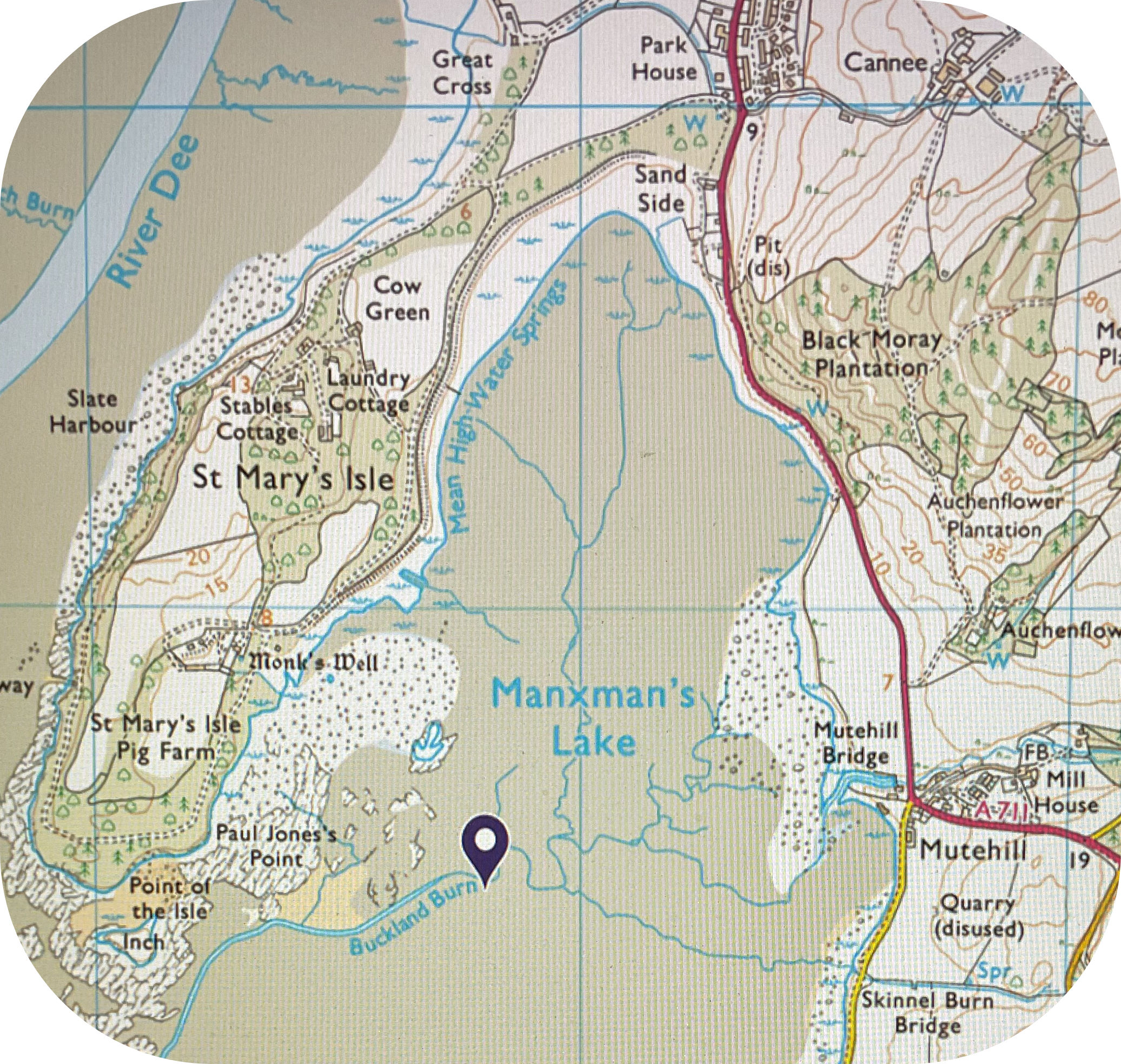 of King William’s Battery. This earthwork was said to have been thrown up to guard the fleet while it lay storm‑bound in Kirkcudbright Bay. Though by the late nineteenth century only fragments of rampart could be traced, the name still recalls the moment when William’s ships sheltered here on their way to Ireland.
Thus the Stewartry tradition places Billy Marshall and King William together in local memory, linking Kirkcudbright’s shore and Urr’s fields to the wider struggle for Protestant succession. Whether fact or folklore, these stories tie the gypsy king of Galloway and the Deliverer of Britain to one of the great turning points in history.