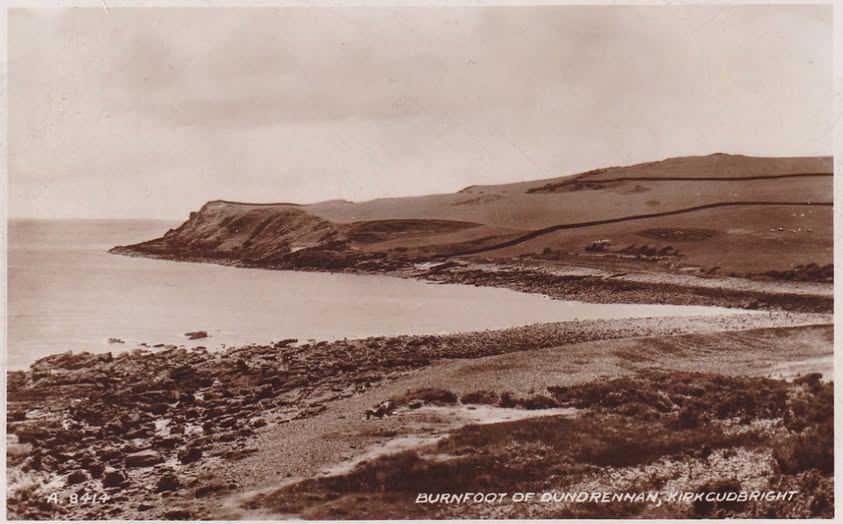
The Silence of Abbey Burn Foot: A History of Rack and Ruin.
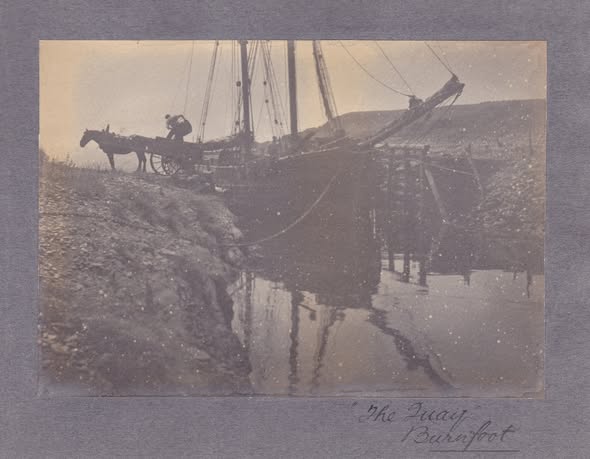
For generations the small coastal settlement of Abbey Burn Foot, near Dundrennan, was a settled and working community. It stood where the burn met the Solway, its cottages clustered within walking distance of Dundrennan Abbey. There is no coal in the Stewartry and many of our small coastal communities had harbours where coal was brought over from the Workington area and unloaded by use of horse and cart.
Life here followed the rhythm of tide and season, shaped as much by the shoreline as by the land behind it. The history of the place survives less in written record than in local memory and the traces once visible on the ground. Look at the postcards and you’ll see the charm the place once had.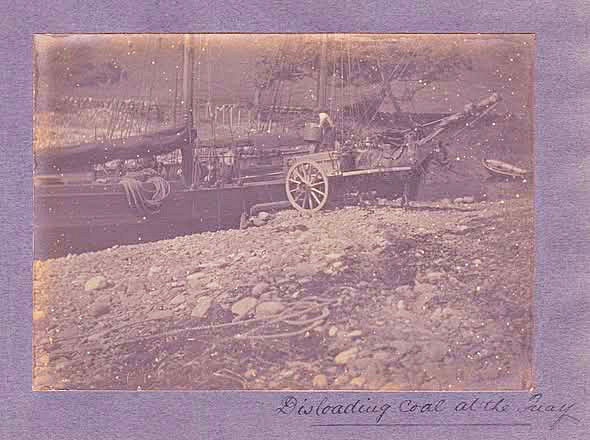
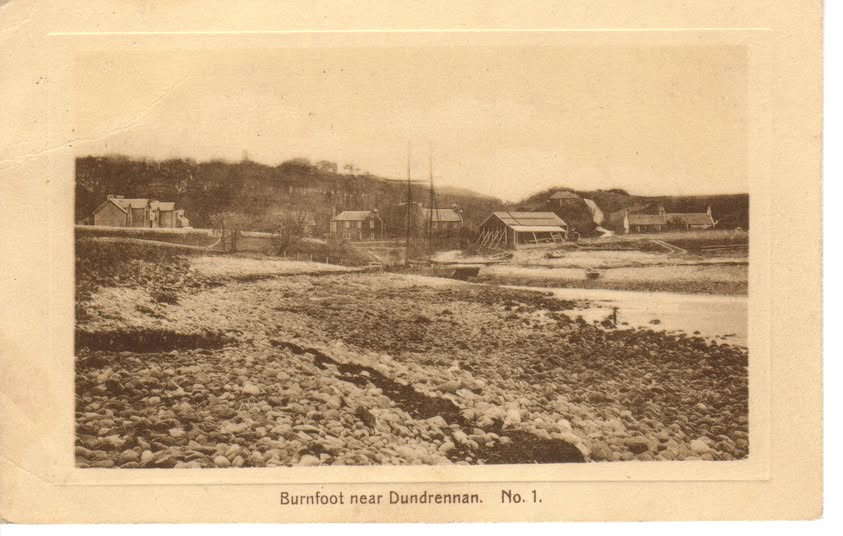
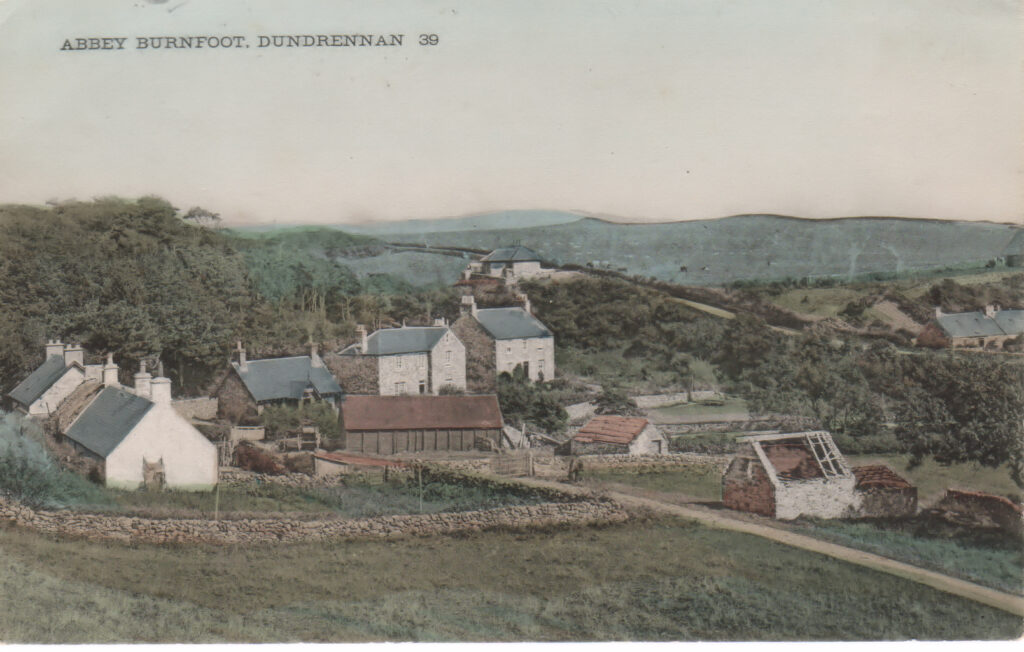
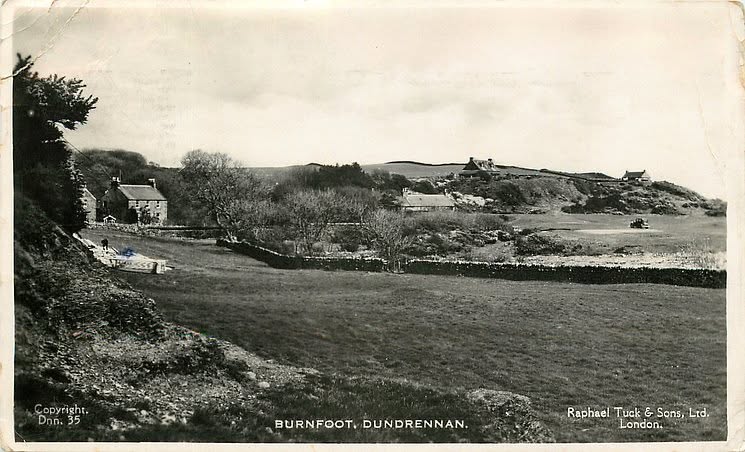
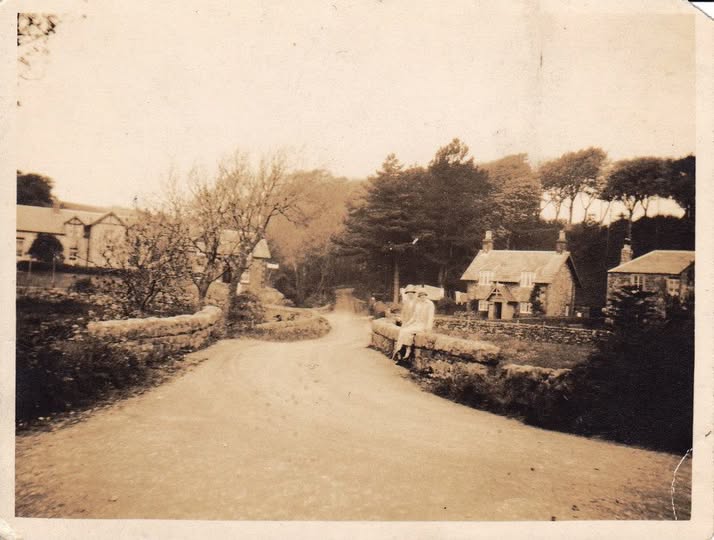
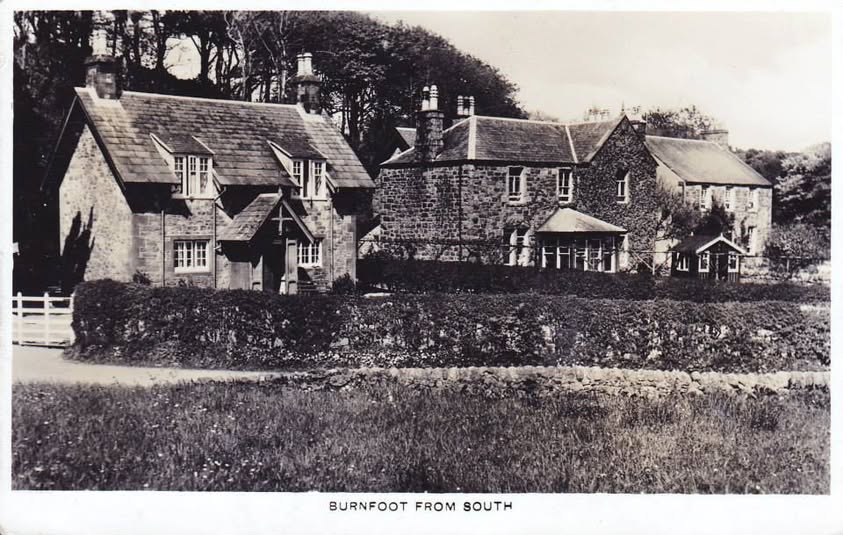
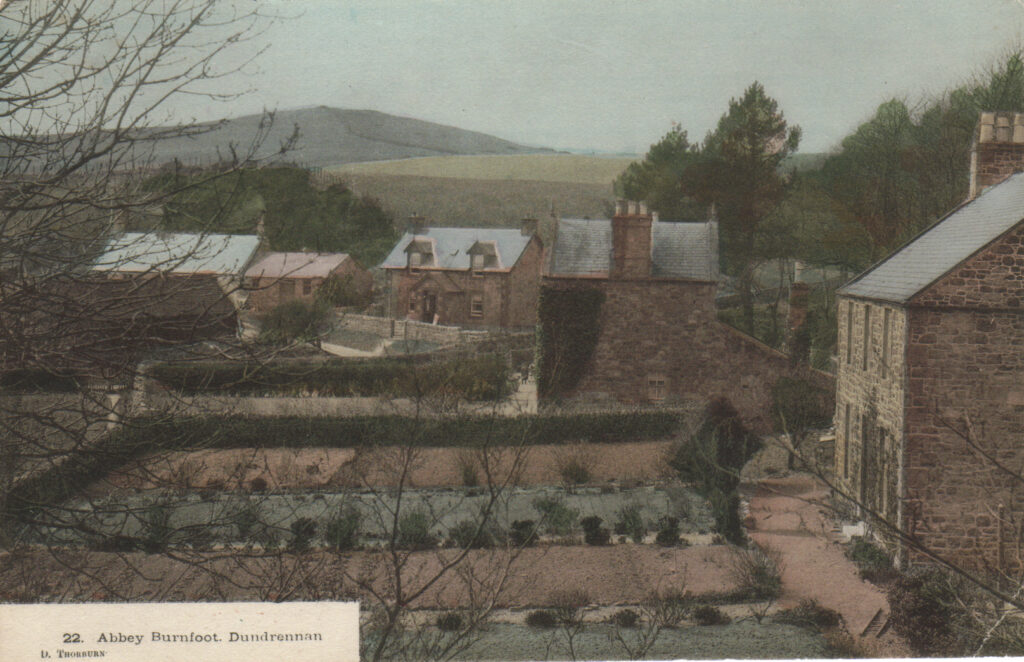
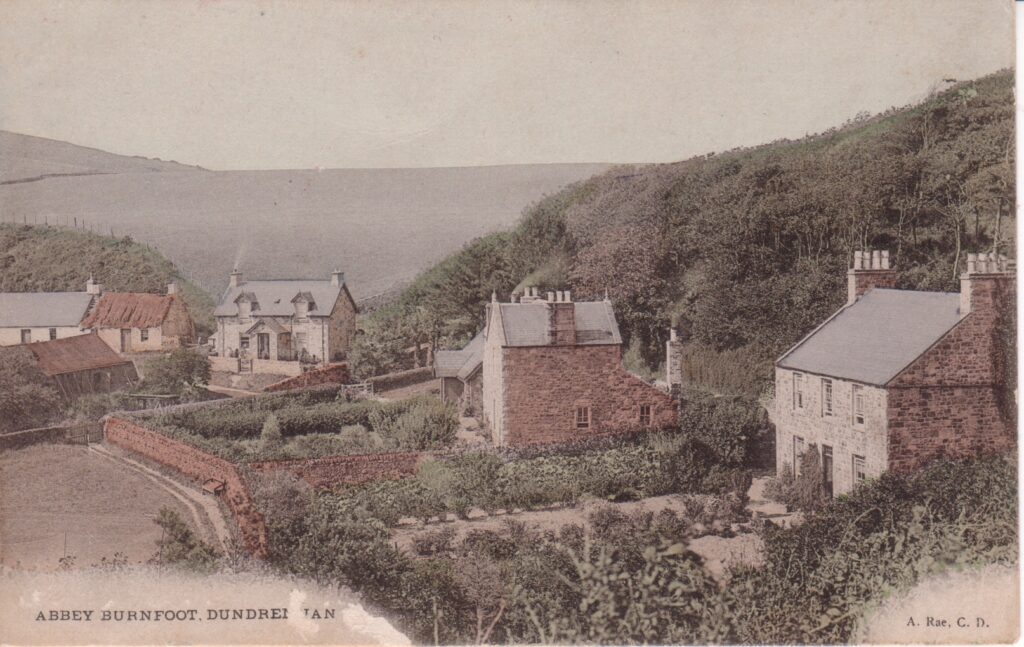
The departure marked the end of the village as a lived-in place. Houses that had been homes were left standing in an emptied landscape, some later used in training exercises. Over time, exposure to weather and repeated disturbance took their toll. Roofs failed, walls weakened, and the structures gradually declined.
In the years that followed, further clearance removed much of what remained. Buildings, boundary walls, and other features were taken down, leaving little visible trace. Today, locating the exact footprint of the former settlement can be difficult without prior knowledge of the site.
Change extended beyond the buildings. With no one living there to maintain the shoreline, the character of the coast altered. Tidal debris, known locally as “rack,” the seaweed and material cast ashore, began to gather in heavier bands along the shore. The word itself, long used for such drift, lends an unintended echo to the fate of the place.
Abbey Burn Foot did not disappear entirely, but it was reduced to absence: a place once occupied, now largely unmarked. What remains is a quiet stretch of coast, where the outlines of past habitation have given way to the tide and to time.